Algorithmic Allure: How AI Personalization Algorithms Craft Custom Bonus Experiences for UK Gamblers
Felix Schmitt · Aug 22, 2026
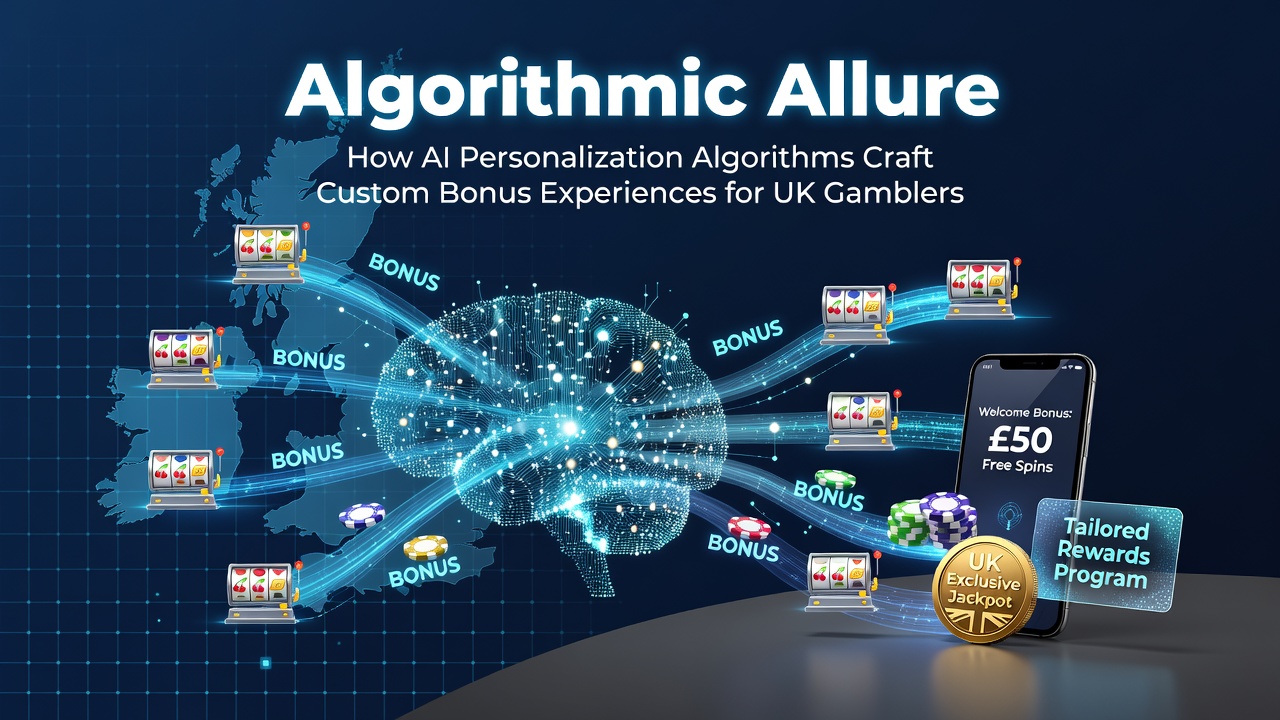
Algorithmic Allure: How AI Personalization Algorithms Craft Custom Bonus Experiences for UK Gamblers
AI personalization algorithms now shape bonus offers across UK gambling platforms by processing large volumes of player activity data, and these systems adjust rewards such as deposit matches, free spins, and cashback percentages based on individual patterns rather than applying uniform promotions to every account. Researchers at various academic institutions have documented how machine learning models track metrics including session length, game preferences, and deposit frequency, then generate tailored incentives that align with observed behaviors.
Data Processing Foundations Behind Custom Offers
Platforms collect anonymized information on betting habits and feed it into predictive models that identify segments such as high-frequency slot players or occasional sports bettors, after which the algorithms calculate optimal bonus structures to encourage continued engagement without exceeding responsible play thresholds. Studies from the University of Nevada's gaming research division indicate that these models improve retention rates by matching reward types to historical responses, for example routing progressive jackpot entries toward users who favor high-volatility games.
Real-time adjustments occur during active sessions when the system detects shifts in play style, and this allows immediate modifications like increasing multiplier values on specific bets or unlocking exclusive tournament entries that reflect recent activity levels. Observers note that integration with third-party data sources such as device type and time-of-day patterns further refines the output, creating offers that appear at moments when users typically return to the platform.
Examples of Tailored Bonus Mechanics in Practice
One common application involves dynamic free spin allocations where the number and value adjust according to a player's recent loss-to-win ratio, whereas another focuses on cashback tiers that scale with total weekly stakes across multiple game categories. Industry reports show that UK operators deploying these tools often combine them with loyalty progression systems, granting users access to personalized reload percentages that rise or fall depending on account tenure and consistency metrics.
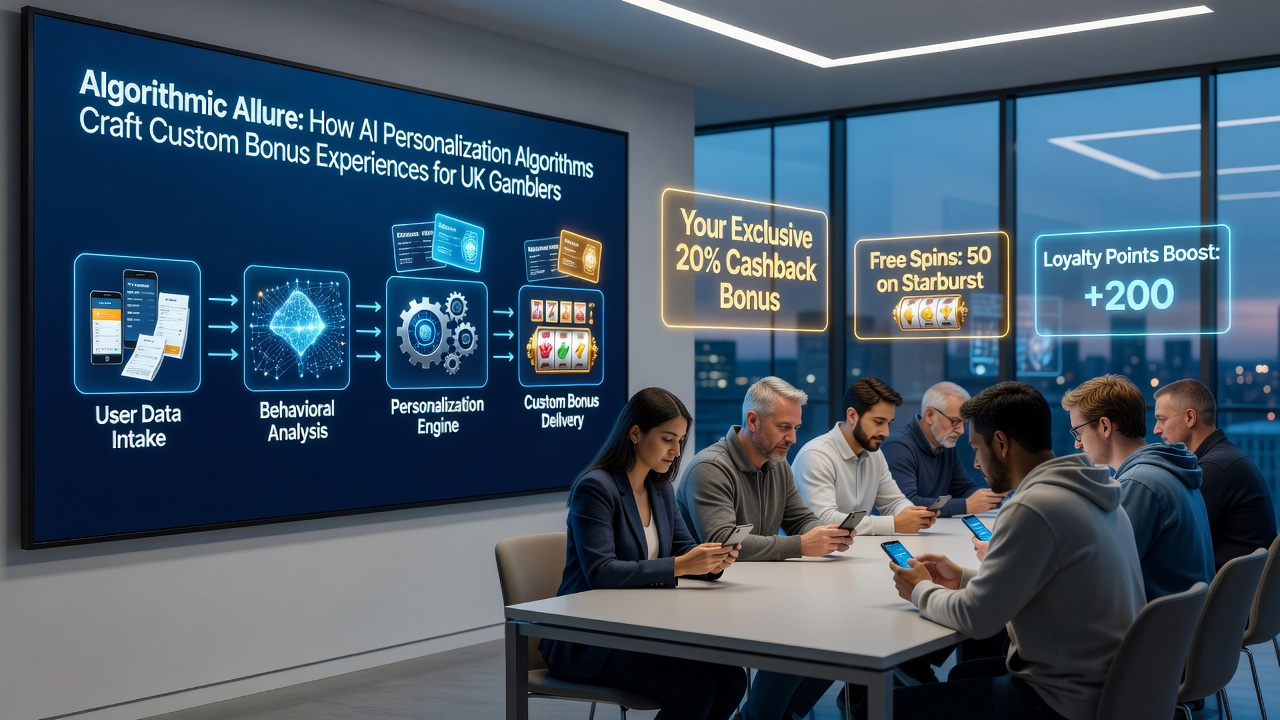
Take the case where algorithms detect a preference for live dealer tables and respond by surfacing time-limited entry to private tables with enhanced rake returns, while users who favor bingo patterns receive mission-based rewards tied to number patterns they have previously completed. These mechanics rely on collaborative filtering techniques similar to those used in retail recommendation engines, yet adapted for regulatory compliance requirements that limit maximum bonus exposure per player.
Current Landscape and August 2026 Developments
By August 2026, several major UK-facing platforms have expanded their AI infrastructure to include cross-game personalization that bridges casino and sports betting environments, allowing a single user profile to receive hybrid offers such as matched deposits that apply across both verticals based on combined activity data. Figures from international trade associations reveal steady adoption rates among operators seeking to differentiate their offerings amid competitive market conditions.
External research conducted by the Australian Gambling Research Centre highlights how similar algorithmic approaches in other jurisdictions produce measurable shifts in player distribution across game types, and these findings suggest parallel patterns emerging within UK operations. Data from Canadian regulatory analyses further demonstrates that personalization can reduce generic bonus waste by concentrating value on high-engagement segments while maintaining overall spend controls.
Regulatory Context and Industry Standards
Operators must balance algorithmic customization against oversight from multiple bodies, including frameworks established by the Malta Gaming Authority and guidelines issued through the European Gaming and Betting Association, which emphasize transparency in how data informs reward delivery. These standards require clear disclosure of personalization criteria so that users understand why certain offers appear in their accounts.
Technical audits performed by independent firms verify that models do not inadvertently create exclusionary patterns, and compliance teams review outputs regularly to ensure alignment with broader responsible gambling protocols. What's interesting is that platforms increasingly publish aggregated statistics on bonus distribution to demonstrate fairness across demographic groups.
Conclusion
AI-driven personalization continues to evolve as operators refine their models with additional variables such as seasonal event data and emerging game formats, and this progression points toward even more granular reward structures by the end of the decade. Evidence from multiple research sources confirms that the core mechanism remains the analysis of behavioral signals to deliver context-specific incentives that reflect individual engagement histories.