Tracing Digital Transitions in UK Bingo Loyalty Systems and Their Influence on Broader Betting Patterns
Dana Weber · Oct 27, 2026
Tracing Digital Transitions in UK Bingo Loyalty Systems and Their Influence on Broader Betting Patterns
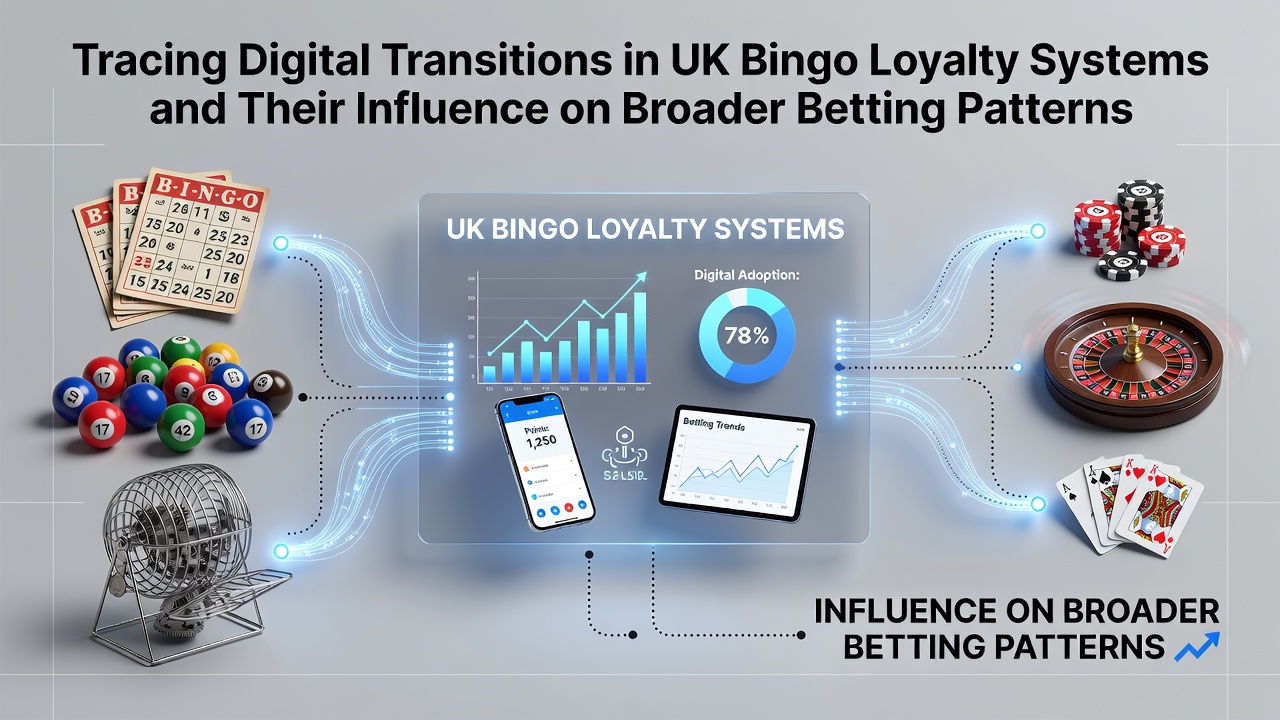
UK bingo operators began moving loyalty tracking from paper stamps and manual cards to integrated digital platforms around the mid-2010s, and data collected through October 2026 shows continued expansion of these systems across both land-based clubs and online rooms. Operators replaced physical point collection with app-based accounts that record session length, game type, and spend in real time, while algorithms assign tier levels and reward triggers without requiring staff intervention. Those systems store individual player histories that operators later use to adjust prize pools and schedule promotions.
Core Components of Digital Loyalty Infrastructure
Modern bingo loyalty platforms combine several technical elements that work together. Mobile apps serve as the primary interface where players scan QR codes at tables or log in to online rooms, and backend databases merge that activity with deposit records and game outcomes. Reward engines calculate points using formulas that factor in both volume and frequency, then push personalised offers through push notifications or in-app messages. Integration layers connect these bingo systems to wider gambling platforms operated by the same companies, allowing points earned in one product to appear in another without separate registration steps.
Researchers at several European institutions have examined how these connected databases operate. One analysis conducted by the European Gaming and Betting Association highlighted that cross-product data flows increased by measurable percentages between 2022 and 2025, particularly among operators that run both bingo and sports betting divisions under single licences. The same report noted that loyalty engines now incorporate machine-learning models trained on historical session data to predict when a player might switch to a different game type.
Data Flow and Pattern Recognition Across Products
Once loyalty records move into centralised analytics environments, operators gain visibility into sequences that span multiple verticals. A player who consistently joins bingo sessions on weekday evenings may receive targeted prompts for sports accumulator bets during major football weekends, while another whose activity peaks on slot-adjacent bingo variants might see offers tied to progressive jackpot tables. These suggestions rely on statistical correlations drawn from aggregated user cohorts rather than individual mandates.
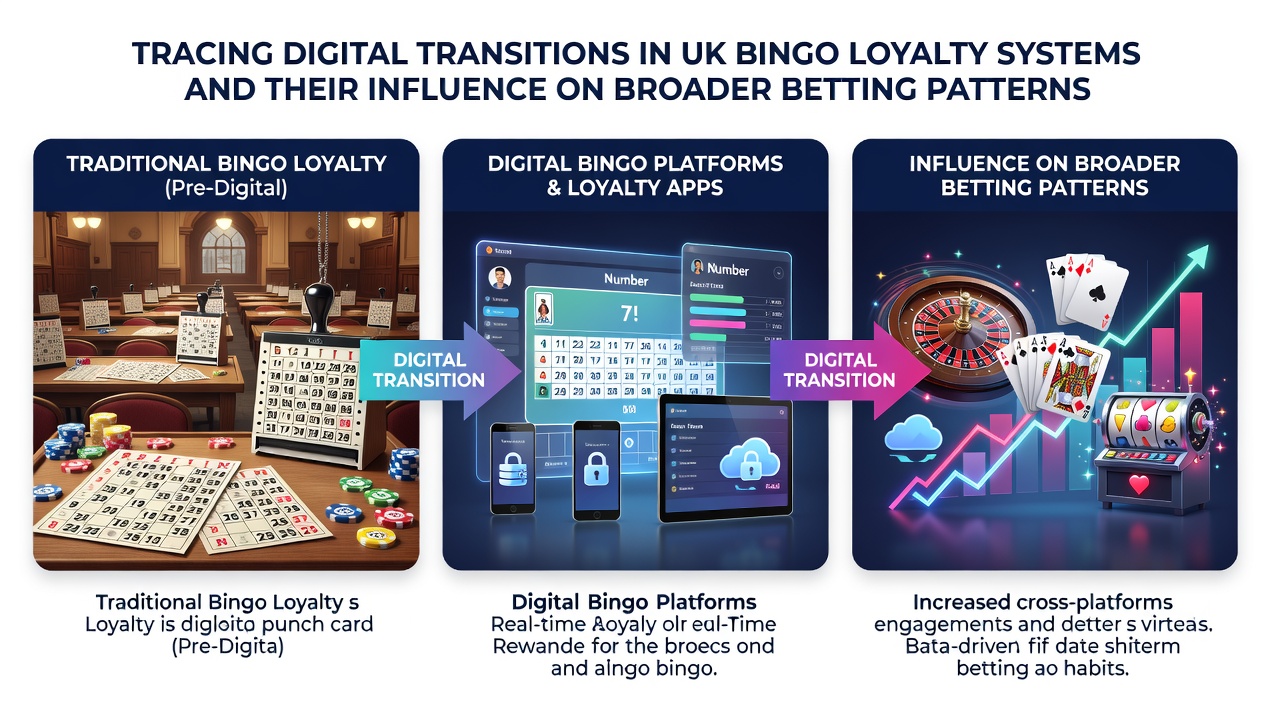
Industry observers tracking these transitions report that the timing of reward redemptions often aligns with broader betting spikes. For instance, players who convert bingo points into free bets on racing events during the Cheltenham Festival period demonstrate higher engagement rates in subsequent weeks compared with control groups that receive generic offers. Such patterns emerge because the loyalty software schedules redemptions to coincide with calendar events already associated with elevated betting volumes.
Regulatory and Technical Context in 2026
UK operators must maintain audit trails for all loyalty transactions under existing licence conditions, and software providers supply export tools that allow regulators to review point issuance and redemption logs. Updates rolled out during 2025 and early 2026 introduced stricter timestamp requirements and mandatory separation between promotional messaging and gameplay interfaces. These changes coincided with wider adoption of real-time dashboards that display loyalty metrics alongside responsible gambling indicators.
Academic papers published in the Journal of Gambling Studies have explored how similar digital loyalty architectures in other jurisdictions produce comparable cross-product migration effects. One study examined Canadian provincial systems and found parallel increases in multi-vertical play after loyalty programmes moved to unified accounts. UK operators adopted several of the same database structures, which helps explain why bingo-derived data now feeds into sports and casino recommendation engines at comparable rates.
Observable Shifts in Player Behaviour Metrics
Figures released by trade bodies indicate that the proportion of bingo loyalty points redeemed outside bingo rooms rose steadily from 2023 onward. Players who accumulated points through traditional 90-ball sessions increasingly directed those points toward accumulator bets or live dealer tables. Software logs show shorter intervals between bingo sessions and subsequent bets on other products, suggesting the digital infrastructure reduces friction that previously separated the activities.
Operators adjust their marketing calendars based on these aggregated flows. When bingo room traffic peaks during winter months, the same loyalty engines increase sports-betting multipliers for the following spring racing season. The connection is statistical rather than causal, yet the pattern repeats across multiple operators that share similar backend providers.
Conclusion
Digital loyalty systems in UK bingo have evolved from simple point counters into interconnected data platforms that record activity across game types. The technical architecture supports real-time tracking and cross-product recommendations, while regulatory requirements ensure transaction records remain auditable. Data patterns observed through October 2026 demonstrate measurable links between bingo engagement and subsequent betting activity in other verticals, driven by the shared infrastructure rather than isolated product decisions. Continued refinement of these systems will depend on further software updates and any additional reporting standards introduced by oversight bodies.